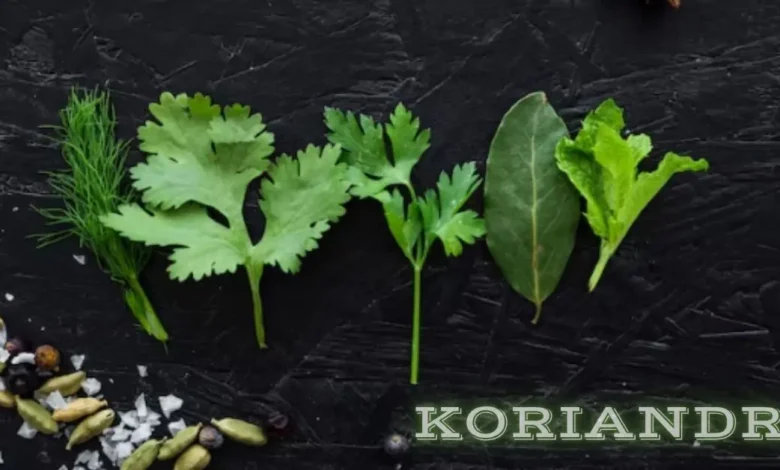
Kitchens around the world rely on herbs to transform ordinary meals into memorable experiences, yet few plants have earned as much admiration across cultures as koriandri. Celebrated for its aroma, versatility, and nutritional richness, this remarkable ingredient bridges the gap between flavor and wellness in a way that few herbs can match. From ancient trade routes to modern kitchens, it has remained a trusted companion for cooks, healers, and farmers alike. Its distinctive fragrance and refreshing taste continue to inspire culinary traditions while attracting renewed interest from nutrition experts and food enthusiasts seeking natural ways to enhance both meals and health.
The Remarkable Journey of Koriandri Through History
The story of this fragrant herb stretches back thousands of years, making it one of the oldest cultivated plants known to human civilization. Archaeological findings suggest that ancient societies in Asia, the Mediterranean region, and the Middle East valued it not only for cooking but also for ceremonial and medicinal purposes. Historical records reveal that traders transported its seeds along famous commercial routes, helping it spread across continents and become deeply embedded in regional cuisines.
Its historical significance goes beyond food preparation. Ancient healers often used the plant in traditional remedies designed to support digestion, improve appetite, and promote overall vitality. Civilizations that depended heavily on agriculture considered aromatic herbs symbols of prosperity and abundance. Over generations, families preserved cultivation techniques and recipes that allowed this versatile plant to maintain a strong cultural presence that continues into modern times.
Will You Check This Article: Inbredward: Exploring the Meaning, Influence, and Digital Evolution
Nutritional Richness Hidden in Every Leaf and Seed
Many herbs contribute flavor to meals, but few offer the nutritional profile associated with this aromatic plant. Fresh leaves provide important vitamins such as vitamin A, vitamin C, and vitamin K, all of which play essential roles in supporting immunity, vision, and bone health. The herb also contains beneficial minerals including potassium, calcium, magnesium, and iron, which contribute to various bodily functions and overall wellness.
Its seeds are equally valuable from a nutritional perspective. They contain antioxidants and naturally occurring plant compounds that may help protect cells from oxidative stress. Dietary fiber present in the seeds contributes to digestive health and supports healthy metabolic processes. The combination of micronutrients and bioactive compounds makes this herb more than a garnish, transforming it into a meaningful addition to a balanced and nutrient-rich diet.
The presence of antioxidants has attracted attention from researchers studying the relationship between plant foods and long-term health outcomes. These compounds may assist the body in combating environmental stressors and free radicals that contribute to aging and cellular damage. Although herbs are consumed in smaller quantities than staple foods, their cumulative contribution to dietary quality should not be underestimated.
Nutrition experts frequently encourage the inclusion of diverse herbs and spices in daily meals because they add flavor without excessive calories, sugar, or unhealthy fats. This approach supports healthier eating habits while reducing dependence on heavily processed flavor enhancers. As a result, aromatic herbs continue to gain popularity among individuals pursuing nutritious and sustainable lifestyles.
Culinary Magic That Elevates Global Cuisine
One reason this herb remains indispensable is its extraordinary ability to complement a wide variety of dishes. In South Asian cooking, it often appears in curries, rice dishes, and chutneys where its freshness balances rich spices and creamy textures. Mediterranean cuisines use it to enhance salads, grilled vegetables, and savory meat preparations, while Latin American dishes incorporate it into sauces, soups, and marinades.
Its leaves and seeds offer distinctly different flavor profiles, allowing chefs and home cooks to use different parts of the plant according to culinary needs. Fresh leaves contribute brightness and freshness, whereas dried seeds provide warmth, citrus notes, and subtle sweetness. This dual-purpose nature significantly expands the range of dishes that benefit from its inclusion.
Modern gastronomy has further expanded its applications. Innovative chefs incorporate aromatic herbs into infused oils, herb butters, beverages, desserts, and fusion recipes that blend culinary traditions from multiple regions. The ability to pair successfully with vegetables, seafood, poultry, legumes, and grains makes it one of the most adaptable ingredients available in professional and domestic kitchens alike.
Flavor perception varies significantly among individuals, which contributes to interesting discussions surrounding aromatic herbs and spices. Some people appreciate its refreshing citrus-like characteristics, while others detect stronger herbal notes. This diversity of experience highlights the complexity of natural flavor compounds and demonstrates why culinary preferences remain deeply personal and culturally influenced.
Growing Koriandri Successfully in Modern Gardens
The increasing popularity of home gardening has inspired many people to cultivate their own supply of fresh herbs, and koriandri has become a favorite choice among beginners and experienced growers alike. Its relatively simple cultivation requirements make it suitable for balconies, kitchen gardens, containers, and larger agricultural spaces. Access to fresh leaves directly from the garden provides unmatched aroma and flavor that packaged products often struggle to replicate.
Successful cultivation begins with well-drained soil and adequate sunlight exposure. Moderate temperatures generally encourage healthy growth, while consistent moisture supports leaf development without causing root problems. Gardeners often sow seeds directly into prepared soil because transplanting can sometimes interfere with root establishment and plant vigor during the early stages of development.
Harvest timing plays a crucial role in maximizing flavor and productivity. Leaves are typically collected before flowering to preserve their freshness and tenderness, while seeds require additional time to mature fully before drying and storage. Proper harvesting techniques can encourage continued growth and extend the productive life of the plant throughout the growing season.
Sustainable gardening practices have also contributed to renewed interest in herb cultivation. Organic methods, natural pest management strategies, and efficient water use align with growing consumer preferences for environmentally responsible food production. By cultivating herbs at home, individuals can reduce packaging waste and enjoy greater control over growing conditions and quality standards.
Traditional Healing Practices and Natural Remedies
Long before modern pharmaceuticals became widely available, communities around the world relied on herbs to support health and wellbeing. Traditional medical systems frequently included aromatic plants in remedies intended to promote digestion, ease discomfort, and improve appetite. The soothing properties attributed to these plants helped establish their reputation as valuable household ingredients with uses extending beyond the dining table.
Digestive support remains one of the most commonly cited traditional applications. Herbal preparations involving seeds were often consumed after meals to encourage digestive comfort and reduce sensations of heaviness or bloating. These practices became deeply integrated into cultural traditions and continue to influence dietary habits in many regions today.
Some historical remedies also incorporated aromatic herbs into topical preparations and herbal infusions. Communities valued the calming fragrance and refreshing properties associated with these plants, often viewing them as symbols of cleanliness and vitality. Although scientific evaluation continues to explore these traditional claims, the enduring popularity of such practices reflects generations of observational knowledge and cultural experience.
Modern consumers increasingly seek natural wellness solutions that complement conventional healthcare approaches. This trend has renewed interest in historical herbal traditions and encouraged researchers to investigate the mechanisms behind longstanding medicinal uses. While traditional practices should not replace professional medical guidance, they offer fascinating insights into humanity’s long relationship with botanical resources.
Modern Research and Emerging Wellness Applications
Scientific interest in culinary herbs has expanded dramatically in recent decades as researchers investigate the health-promoting properties of plant compounds. Studies examining antioxidant activity, anti-inflammatory potential, and metabolic effects have contributed to growing awareness regarding the value of including herbs in everyday diets. Although research remains ongoing, preliminary findings have generated considerable excitement within nutritional science communities.
The complex chemical composition of aromatic herbs includes flavonoids, phenolic compounds, and essential oils that may contribute to various biological functions. Researchers continue exploring how these naturally occurring substances interact with human physiology and whether they can support long-term wellness when incorporated into balanced dietary patterns.
Consumer demand for functional foods has created new opportunities for food manufacturers and health-focused brands. Products enriched with botanical ingredients increasingly appear in supermarkets, wellness stores, and specialty markets around the world. This movement reflects a broader shift toward preventive health strategies centered on nutrition and lifestyle choices rather than solely on treatment after illness occurs.
Despite encouraging findings, experts consistently emphasize the importance of realistic expectations and evidence-based decision making. Herbs and spices should be viewed as supportive components of healthy eating rather than miracle solutions. Their greatest value emerges when combined with diverse nutrition, regular physical activity, and other positive lifestyle practices that collectively contribute to overall wellbeing.
Economic Importance and Cultural Influence Worldwide
The global trade in herbs and spices represents a significant economic sector that supports farmers, exporters, distributors, and food manufacturers across numerous countries. Aromatic crops contribute income opportunities for agricultural communities while creating value through processing, packaging, and international commerce. Demand continues to rise as consumers seek authentic flavors and natural ingredients in both traditional and modern foods.
Cultural identity often finds expression through culinary traditions, and herbs play a central role in preserving these traditions across generations. Family recipes, festival dishes, and regional specialties frequently depend on characteristic flavors that define local cuisine and strengthen community connections. Food serves as a form of cultural storytelling, and aromatic ingredients help communicate history, migration, and shared experiences.
Globalization has introduced consumers to flavors that were once limited to specific regions, encouraging culinary experimentation and appreciation for diverse food cultures. Restaurants, cooking programs, and digital media platforms have accelerated this exchange of knowledge, allowing ingredients once considered exotic to become household staples in distant markets.
Agricultural innovation is also shaping the future of herb production. Advances in irrigation, greenhouse technology, and sustainable farming methods improve efficiency while reducing environmental impact. These developments support increasing global demand while helping producers adapt to changing climate conditions and evolving consumer expectations.
Conclusion
The enduring appeal of koriandri lies in its unique ability to combine flavor, nutrition, history, and cultural significance within a single plant. Its journey from ancient civilizations to contemporary kitchens demonstrates remarkable adaptability and timeless value. Whether appreciated for culinary creativity, nutritional benefits, gardening potential, or traditional wellness practices, it continues to enrich lives across continents and cultures. As interest in natural ingredients and sustainable living grows, this versatile herb is likely to remain an essential part of global cuisine for generations to come. Its legacy reminds us that some of the most powerful ingredients are often the simplest ones found growing close to home.
Read More: Mynewsdaily.co.uk