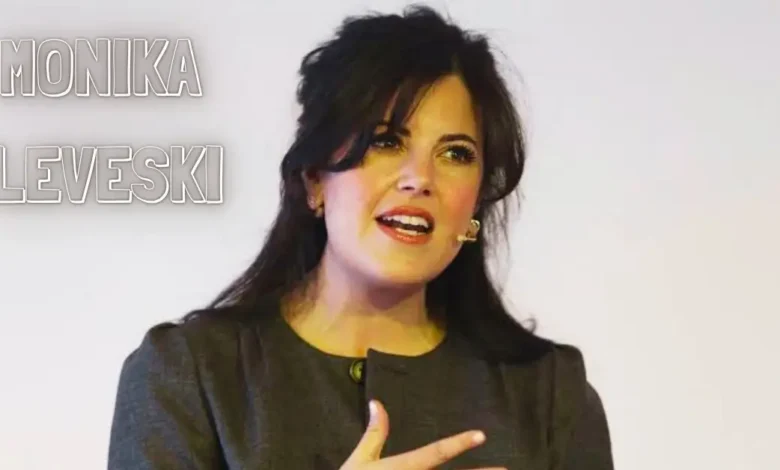
The name monika leveski continues to attract attention decades after one of the most talked-about political scandals in American history. While many people search for this keyword because of curiosity, the story behind Monica Lewinsky is far more complex than a single historical event. It is a story of public scrutiny, media pressure, personal resilience, and the evolution of online culture. Understanding her journey provides valuable insight into how public opinion, politics, and digital communication have changed over the years, making her life an important case study in modern history.
The Early Life and Background of Monika Leveski
Before becoming one of the most recognizable figures in American public life, Monica Lewinsky lived a relatively ordinary childhood. She was born on July 23, 1973, in San Francisco, California, and later grew up in Southern California. Raised in a well-educated family, she attended respected schools and eventually studied psychology. Her upbringing reflected a comfortable lifestyle, with strong educational opportunities that helped shape her confidence and ambitions.
As a young adult, she pursued internships in Washington, D.C., hoping to build a career in public service. Like many recent graduates, she sought practical experience within the federal government. Few could have predicted that an internship would ultimately place her at the center of one of the most controversial political moments in modern American history. Her early years reveal an individual with aspirations that extended far beyond the headlines that later defined her public image.
Will You Check This Article: Mila Volovich: Exploring the Life, Career, and Lasting Influence
Monika Leveski and the White House Controversy
The event most commonly associated with monika leveski began during her internship at the White House in the mid-1990s. Her relationship with then-President Bill Clinton became the subject of intense legal investigations and worldwide media coverage. What initially appeared to be a private matter quickly transformed into an international political crisis that dominated newspapers, television broadcasts, and public discussions.
The controversy eventually contributed to impeachment proceedings against President Clinton, although he remained in office after being acquitted by the Senate. Throughout the investigation, Monica Lewinsky became the focus of relentless media attention. Her personal life was analyzed in extraordinary detail, often without consideration for her privacy or emotional well-being. The scandal remains one of the defining political events of the late twentieth century and continues to be examined in discussions about ethics, leadership, and media responsibility.
Media Coverage and the Cost of Public Judgment
The late 1990s represented a unique era in journalism, when twenty-four-hour news channels and celebrity-focused reporting were rapidly expanding. Monica Lewinsky became a constant subject of television programs, newspaper columns, magazine covers, and comedy shows. Unfortunately, much of this coverage emphasized ridicule instead of balanced reporting, creating a public narrative that often overlooked her humanity.
Years later, many journalists, historians, and cultural commentators reconsidered how the media treated her. They argued that the intense scrutiny reflected broader issues related to sexism, sensationalism, and public shaming. Looking back, the treatment she received has become an example of how media organizations sometimes prioritize ratings over fairness. These discussions have encouraged greater awareness about responsible journalism and ethical reporting in the digital age.
Personal Struggles and the Journey Toward Healing
Living under constant public attention had significant emotional consequences. Monica Lewinsky has openly discussed the challenges she faced, including anxiety, depression, and the lasting effects of global humiliation. Her experiences demonstrate how widespread criticism can affect mental health, especially when millions of people participate in public judgment.
Despite these hardships, she gradually rebuilt her life by focusing on education, professional growth, and personal development. Rather than remaining silent, she began speaking openly about resilience and emotional recovery. Her willingness to discuss painful experiences has inspired many individuals facing bullying, public criticism, or personal setbacks. The lessons from her journey highlight the importance of empathy, compassion, and understanding in both personal relationships and public conversations.
How Monika Leveski Became an Anti-Bullying Advocate
One of the most remarkable aspects of monika leveski is the transformation from public scandal figure to respected advocate against cyberbullying and online harassment. As social media became increasingly influential, Monica recognized similarities between her own experiences and the challenges faced by younger generations exposed to digital abuse.
She has delivered powerful public speeches discussing shame, resilience, and compassion. Her widely viewed TED Talk encouraged audiences to reconsider the culture of online humiliation and emphasized the importance of empathy. Through articles, interviews, and advocacy campaigns, she has consistently promoted healthier online behavior while encouraging individuals to think carefully before participating in digital harassment.
Her advocacy has resonated with educators, parents, students, and technology professionals. Many experts now cite her experiences when discussing cyberbullying prevention and digital citizenship. Rather than allowing her past to define her future, she transformed difficult experiences into meaningful social contributions that continue to influence conversations worldwide.
The Cultural Impact and Historical Reassessment
Over time, historians and cultural analysts have revisited the White House scandal with greater perspective. Instead of viewing Monica Lewinsky solely through the lens of controversy, many scholars now analyze the broader cultural environment surrounding the events. They examine issues involving gender expectations, workplace power dynamics, political accountability, and media ethics.
Documentaries, books, television series, and academic discussions have contributed to this reassessment. Many observers acknowledge that public attitudes toward the scandal have evolved considerably since the late 1990s. Increased awareness of workplace misconduct, consent, and unequal power relationships has encouraged audiences to reconsider earlier assumptions. This historical reevaluation reflects changing social values and demonstrates how public understanding can mature over time.
The conversation also illustrates how historical events are rarely static. As society gains new perspectives, interpretations often change, allowing individuals previously judged harshly to receive more balanced evaluations. Monica Lewinsky’s story has become an important example of this broader process of historical reflection.
Lessons Society Can Learn from Her Story
The experiences associated with Monica Lewinsky extend far beyond politics. They offer meaningful lessons about privacy, accountability, forgiveness, and the responsibilities of both traditional media and social media users. Modern technology allows information to spread instantly across the globe, making responsible communication more important than ever before.
Her story reminds individuals that public mistakes or personal controversies should not permanently define someone’s identity. People possess the capacity to learn, grow, and rebuild their lives after difficult experiences. This perspective encourages a more compassionate society that values rehabilitation instead of endless punishment.
Educational institutions frequently use her experiences to discuss media literacy, ethical journalism, and online behavior. These conversations help younger generations understand the long-term consequences of digital harassment while emphasizing respectful communication. The lessons remain increasingly relevant as technology continues to evolve and online interactions become an even larger part of everyday life.
Conclusion
The story of monika leveski represents much more than a political scandal remembered from the 1990s. It is ultimately a narrative about resilience, public perception, media influence, and personal transformation. Monica Lewinsky has demonstrated remarkable courage by confronting painful memories and using them to advocate for kindness, empathy, and responsible digital behavior. Her journey continues to inspire discussions about ethics, journalism, mental health, and online culture. As society becomes more aware of the consequences of public shaming and cyberbullying, her experiences remain both historically significant and deeply relevant. Rather than being remembered solely for controversy, she has established a lasting legacy as a thoughtful speaker, advocate, and symbol of resilience in the face of extraordinary public scrutiny.
Read More: Appost.co.uk