Blog
Viltnemnda Explained: Norway’s Wildlife Management Body

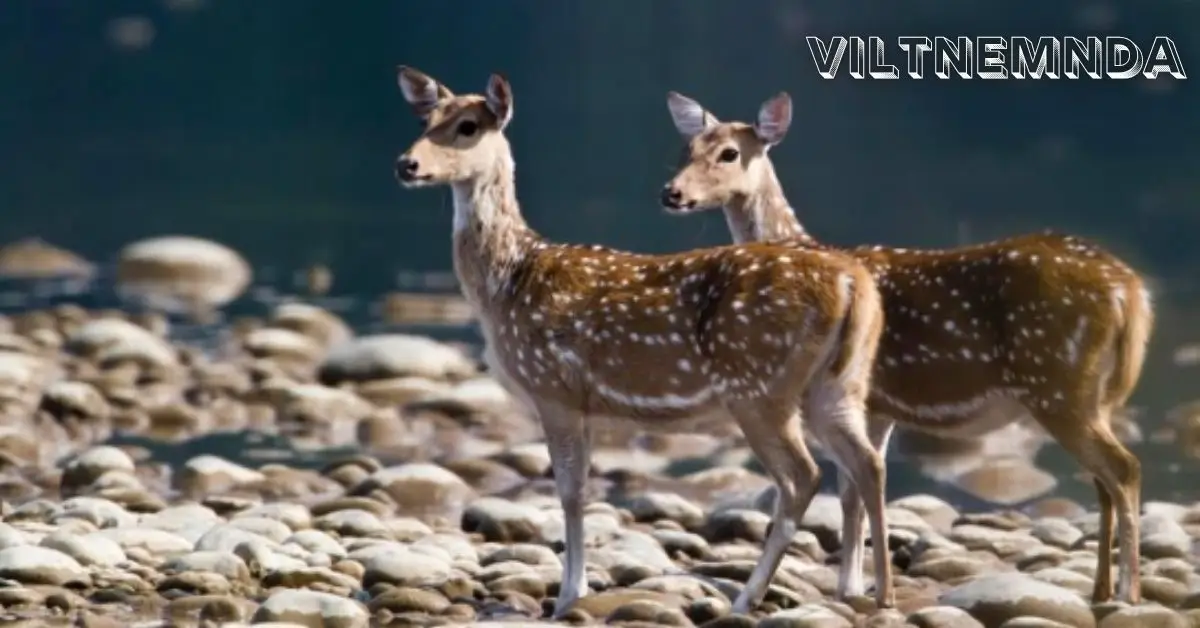
Nature and wildlife are deeply woven into Norway’s national identity. From expansive forests and mountain plateaus to remote valleys and coastal habitats, the country supports a rich variety of species, including moose, reindeer, wolves, lynx, bears, and wolverines. Managing these species requires a careful balance between conservation, hunting traditions, agricultural interests, and local communities. This is where viltnemnda plays a significant role. Although not widely known outside Scandinavia, viltnemnda is a vital part of Norway’s local wildlife governance system, helping ensure that game populations are managed responsibly and sustainably for future generations.
What Is Viltnemnda and Why Does It Matter?
The term viltnemnda is Norwegian and translates roughly to “wildlife committee” or “game board.” It refers to a municipal committee responsible for overseeing wildlife and hunting matters at the local level. These committees are appointed by local governments and operate under national laws and regulations governing wildlife conservation and harvesting.
Viltnemnda acts as a bridge between state authorities and local stakeholders. While Norway has national policies concerning biodiversity and predator management, many practical decisions are best handled by those with firsthand knowledge of local ecosystems. This committee ensures that hunting quotas, habitat concerns, and conflict resolution are based on both scientific recommendations and local realities.
The importance of viltnemnda lies in its ability to combine democratic participation with environmental stewardship. It gives municipalities direct influence over wildlife management while keeping decisions aligned with broader conservation goals.
Will You Check This Article: Seekde: Your Complete Guide to Smarter Online Discovery
Historical Development of Viltnemnda in Norway
The roots of viltnemnda can be traced to Norway’s longstanding relationship with hunting and natural resource management. Historically, hunting was an essential source of food and income, especially in rural communities. As wildlife populations fluctuated and environmental awareness increased, Norway recognized the need for more structured oversight.
The Wildlife Act of 1981 formalized much of the country’s game management framework. Under this legislation, municipalities were given responsibility for local implementation, leading to the establishment of wildlife committees such as viltnemnda. These bodies became central to decisions involving moose and deer populations, damage prevention, and game habitat planning.
Over time, the role of viltnemnda expanded beyond hunting administration. Today, these committees contribute to biodiversity protection, public education, and consultation on land-use planning. Their evolution reflects Norway’s commitment to integrating local governance with sustainable environmental management.
Core Responsibilities of Viltnemnda
The work of viltnemnda covers a wide range of tasks related to wild animals and their habitats. One of the most visible responsibilities is setting annual hunting quotas for species such as moose, red deer, and roe deer. Committee members review population estimates, harvest data, and reports from landowners before making decisions.
Another key duty involves addressing wildlife damage. Large herbivores may destroy crops or young forest plantations, while predators can threaten livestock. Viltnemnda evaluates these issues and may recommend preventive measures or compensation processes.
The committee also helps monitor wildlife populations. Members review observations, carcass reports, and ecological studies to identify trends. This data supports adaptive management, allowing authorities to adjust quotas or conservation strategies as conditions change.
In addition, viltnemnda often participates in public hearings related to road construction, wind farms, and housing developments that may affect critical habitats or migration corridors.
How Viltnemnda Makes Wildlife Decisions
Decision-making within viltnemnda is typically collaborative and evidence-based. Meetings are held throughout the year, especially before hunting seasons. Committee members examine statistics from previous years, consult biologists, and listen to feedback from hunters, landowners, and residents.
Population health is a central consideration. If moose numbers are increasing beyond the carrying capacity of local forests, the committee may authorize a higher harvest quota. If numbers are declining or calf weights are dropping, a more cautious approach may be adopted.
Conflict management also influences decisions. For example, in areas where deer cause frequent traffic accidents, reducing population density may improve public safety. Conversely, in regions where tourism depends on wildlife viewing, maintaining healthy populations can support economic development.
Because local committees understand regional conditions, viltnemnda can tailor decisions to the unique needs of each municipality while still respecting national legislation.
Viltnemnda and Norway’s Hunting Tradition
Hunting is an important cultural tradition in Norway, and viltnemnda helps preserve it in a sustainable way. Thousands of Norwegians participate in annual hunts, particularly for moose and deer. These activities provide food, support rural economies, and reinforce a strong connection to nature.
Without effective management, overharvesting could threaten game populations, while underharvesting could lead to habitat degradation and increased conflicts. Viltnemnda maintains this balance by establishing quotas and monitoring outcomes.
The committee also promotes ethical hunting practices. By requiring accurate reporting and adherence to regulations, it helps ensure that wildlife resources are used responsibly. Hunters, in turn, contribute valuable field observations that improve management decisions.
This cooperative relationship between authorities and hunters is a defining feature of Norwegian wildlife governance.
The Role of Viltnemnda in Predator Management
Few topics generate as much debate in Norway as large carnivores. Wolves, bears, lynx, and wolverines are protected species, yet they can create tension in areas where livestock grazing is common. Although final authority often rests with regional and national agencies, viltnemnda plays an important advisory role.
Committee members collect local information on predator sightings, livestock losses, and public concerns. They may submit recommendations regarding protective measures, compensation claims, or management priorities.
Viltnemnda also helps explain national policies to local communities, reducing misunderstandings and fostering dialogue. By representing municipal perspectives, the committee ensures that rural voices are included in broader discussions about coexistence with predators.
Its involvement is especially valuable in maintaining trust between government institutions and residents affected by carnivore presence.
Challenges and Criticism Facing Viltnemnda
Despite its importance, viltnemnda is not without challenges. One common concern is the balance between local interests and scientific recommendations. Some critics argue that economic or hunting priorities can overshadow ecological considerations, while others believe national rules limit local autonomy.
Climate change introduces additional complexity. Milder winters, altered migration patterns, and the spread of disease require committees to adapt to rapidly changing conditions. Traditional assumptions about wildlife populations may no longer hold true.
Committee members are often part-time public representatives rather than full-time specialists. This can create workload pressures, especially when dealing with controversial predator issues or extensive public consultations.
Another challenge is maintaining public confidence. Decisions affecting hunting rights or carnivore management can be highly emotional, making transparency and communication essential.
Conclusion
The viltnemnda system represents one of Norway’s most practical and effective approaches to local wildlife governance. By combining community knowledge, democratic decision-making, and scientific input, these municipal committees help manage game populations, reduce conflicts, and protect natural ecosystems.
Whether setting moose quotas, responding to crop damage, or advising on predator issues, viltnemnda ensures that wildlife management remains grounded in local realities while supporting national conservation objectives. Its work demonstrates that sustainable stewardship is strongest when local communities are actively involved.
As environmental challenges continue to evolve, the role of viltnemnda will remain crucial. It stands as a model of how decentralized governance can safeguard biodiversity, preserve cultural traditions, and promote harmony between people and the natural world.
Read More: Mynewsdaily.co.uk