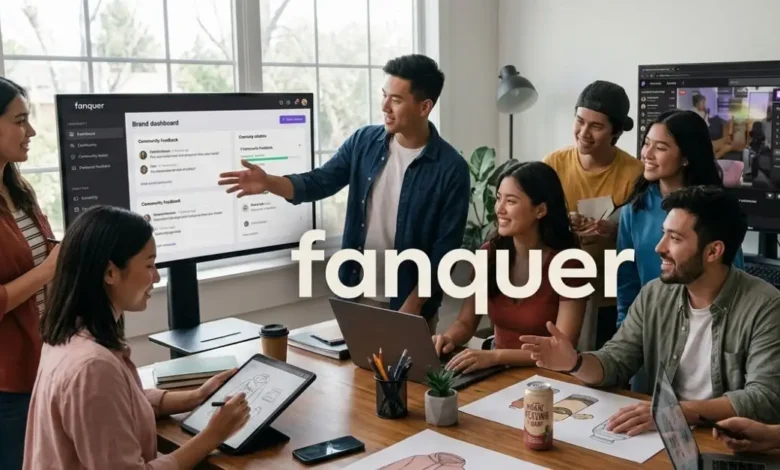
Fanquer is a newer internet term used to describe fans and community members who actively take part in shaping content, products, or online spaces instead of just watching from the sidelines. You will find a clear explanation of where the word comes from, how people are using it right now, and why it keeps showing up across creator communities, brand marketing, and online forums. By the end of this article, you will understand exactly what fanquer means in practice, how to recognize it when you see it, and how creators and brands can actually put the idea to use.
Where the Word Fanquer Actually Comes From
Fanquer is what linguists would call a blend word, stitched together from “fan” and pieces of “engagement” or “conquer,” depending on which corner of the internet you ask. It does not appear in any established dictionary, and there is no single moment or platform you can point to as its origin. What you can trace is the pattern behind it: online language has been producing these hybrid terms for years, the same way “selfie” and “meme” moved from niche forums into everyday speech before anyone formally defined them.
A word like fanquer spreads because it fills a gap that existing vocabulary does not quite cover. “Fan” implies someone who watches and appreciates, while “follower” implies someone who simply subscribes to updates, but neither word captures a person who actively comments on a creator’s drafts, votes on a product name, or remixes a piece of content and posts their own version. Fanquer fills that specific gap, which is why it caught on among people running online communities before it ever reached a wider audience.
Will You Check This Article: Smoothiepussit and the Rise of Creative Digital Expressions
What Fanquer Actually Means in Practice
At its core, fanquer refers to a level of fan involvement that goes past liking, sharing, or leaving a quick comment. A fanquer is someone who treats a creator’s community as a space they help build rather than a feed they scroll through. That can look like joining a Discord server and answering newcomer questions before a moderator even sees them, submitting fan art that a brand later uses in an official campaign, or voting in a poll that genuinely changes which product ships next.
The difference between a regular fan and a fanquer is not enthusiasm, since plenty of quiet fans are deeply loyal without ever posting a single comment. The difference is contribution. A fanquer leaves a visible mark on the thing they are a fan of, whether that mark is a suggestion that gets adopted, a piece of content that gets shared back out by the creator, or a consistent presence that shapes how a community behaves.
What Makes Fanquer Different From Ordinary Engagement
Marketing teams have talked about “engagement” for well over a decade, usually measured in likes, shares, and comment counts, and it is worth being specific about why fanquer describes something different. Engagement metrics track activity, but they do not track influence. A post can rack up ten thousand likes without a single one of those people ever contacting the creator directly or changing anything about the product.
Fanquer describes the smaller group within that audience who actually shape outcomes: the commenter whose feature request becomes a real update, the community member who moderates a Reddit thread for free because they care about the space staying useful, the fan whose remix of a song gets pulled into an official remix album. Brands that understand this distinction stop treating their audience as a single undifferentiated mass and start looking for the specific people who want a hand in building something, because that smaller group tends to drive far more loyalty and word of mouth than raw follower counts ever will.
Where People Actually Use the Word Fanquer
The term shows up most often in three overlapping spaces. Independent creators use it when talking about the difference between subscriber counts and the smaller circle of people who actually show up in comments, join calls, or beta test new content before it goes public. Gaming and esports communities use it to describe players who move beyond fandom into contributing guides, mods, or tournament organizing, since gaming culture has always rewarded active participation over passive spectating.
Brand and marketing teams have started borrowing it too, particularly teams running ambassador programs or co-creation campaigns where actual customers help pick flavors, designs, or features before a product launches. None of these uses are formally standardized, which is part of why the word still feels flexible. A small embroidery brand and a mid-size Twitch streamer might both use fanquer to describe their most active supporters, even though the specific behaviors look completely different in each case.
What Most People Get Wrong About Fanquer
The most common mistake is treating fanquer as a synonym for “superfan,” as if it simply means someone who loves a creator or brand more intensely than average. That mix-up happens because both words describe committed audience members, and intensity of feeling is the easiest thing to notice from the outside. The actual distinction is behavioral rather than emotional. A superfan can be someone who has watched every video a creator has ever made and never once left a comment, and that person is genuinely a superfan by any reasonable definition, but they are not necessarily a fanquer under how the term is actually used.
A fanquer is defined by the visible, participatory role they play, not by the depth of their feelings. Someone who joined a community last month and immediately started answering questions in the help channel can be a fanquer faster than a ten-year superfan who never posts. Once you separate loyalty from participation, the word starts making a lot more sense, and it becomes obvious why creators track it as a distinct signal from simple fan loyalty.
How Creators and Brands Can Encourage More Fanquer Behavior
Turning a passive audience into active participants rarely happens by accident, and the communities that do it well tend to follow a similar pattern. It starts with giving people something specific to respond to rather than a vague invitation to “get involved,” since a poll about which of three logo options looks better will always generate more real participation than a generic request for feedback. From there, the community needs a visible way to see that contributions actually matter, whether that is crediting the fan whose suggestion got used, featuring user-submitted content in an official post, or simply replying directly to the people who show up consistently.
Communities like the r/AskHistorians moderation team on Reddit are a useful reference point here, since they built a highly engaged base of contributors by giving people real responsibility and clear rules rather than just asking for likes. The pattern holds across very different niches: participation grows when people can see the direct line between what they contributed and what actually changed.
Common Mistakes When Trying to Build Fanquer-Style Communities
A lot of brands chase the surface behavior of fanquer culture without building the structure underneath it, and that gap is usually where the effort falls apart. One frequent mistake is running a single contest or poll and calling it “community building,” when real fanquer behavior grows from repeated, low-friction opportunities to contribute rather than one flashy event that disappears after a week. Another mistake is asking for input and then ignoring it, which teaches an audience that participation is pointless and actively kills the behavior a brand was trying to encourage in the first place.
A third mistake is confusing volume with quality, chasing as many comments and submissions as possible instead of nurturing the smaller group of people who show up consistently and care about the outcome. The communities that get this right tend to move slower and smaller on purpose, focusing on a core group of genuinely engaged contributors rather than trying to convert an entire follower count overnight.
Is Fanquer Here to Stay
Whether fanquer becomes a lasting part of everyday vocabulary or fades the way plenty of internet slang does is genuinely an open question, and nobody can answer it with certainty right now. What does seem durable is the underlying shift the word is trying to describe. Audiences increasingly expect some form of input into the things they support, from game developers running public beta tests to musicians crowdsourcing setlists for tours, and that expectation is not going away regardless of which specific word ends up sticking.
Fanquer may end up replaced by a cleaner term, or it may settle into common use the way “meme” eventually did after starting as a niche piece of internet vocabulary. Either way, understanding the concept behind it gives creators and brands a useful lens for thinking about their audience, one that separates people who simply consume from people who actively help build.
Conclusion
Fanquer captures a real shift in how people engage with the creators, brands, and communities they care about, moving from passive watching toward active participation that leaves a visible mark. If you are building or growing a community, the practical takeaway is simple: give people specific, low-friction ways to contribute, and make sure those contributions visibly matter. Start with one small opportunity for input, whether that is a poll, a feedback thread, or a call for submissions, and watch which members show up. Those are your fanquers.
Read More: Appost.co.uk