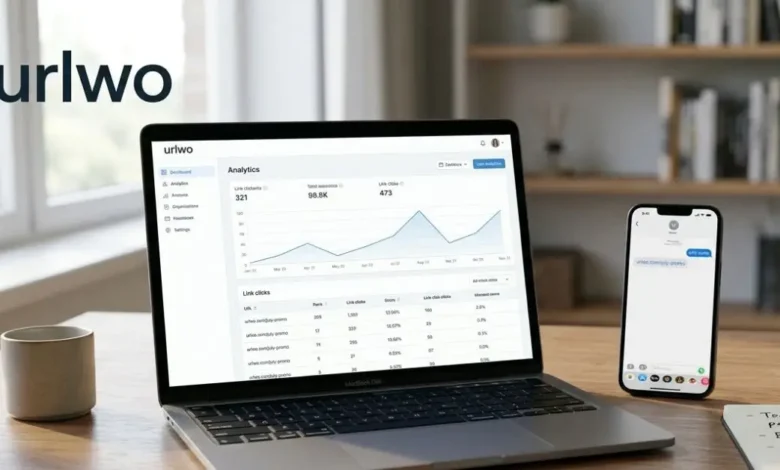
Urlwo is a link management platform built around one core job, turning long and messy web addresses into short, branded links that are easier to share, track, and trust. Marketers, bloggers, and small business owners run into urlwo when they search for a lighter alternative to bulky link tools that charge for features they never touch. This article walks through what urlwo actually offers, how the shortening and tracking process works in practice, and where it fits compared to other link management options. By the end, you will know exactly what to check before you commit to using it for your own links.
What Urlwo Actually Does
Anyone who has pasted a two-hundred-character product link into a text message knows the problem urlwo is designed to solve. Long URLs full of tracking parameters and random strings look untrustworthy, they break across platforms like Twitter and SMS, and nobody can read them out loud or remember them later. Urlwo takes that raw link and compresses it into a short version, often paired with a custom domain or keyword so the destination is at least somewhat predictable to the person clicking it. Underneath that simple function sits a redirect system that logs every click, which is where the tracking and analytics side of the tool comes in.
It helps to think of urlwo less as a single feature and more as a small toolkit built around one link. Shortening is the entry point, but the platform also lets users swap in branded domains, set expiration dates on time-sensitive links, and generate QR codes for offline sharing like flyers or product packaging. None of this is unique to urlwo specifically, link shortening as a category has existed since services like Bitly and TinyURL popularized it years ago, but the appeal for many users is the lower price point and the simpler interface compared to bigger platforms built for enterprise marketing teams.
Will You Check This Article: Sqrwomensrestroom: A Complete Guide to Understanding Its Purpose
How the Shortening and Tracking Process Works
The mechanics behind urlwo follow the same basic pattern used across the link management category, though the details of implementation vary by provider. A user pastes a long URL into the dashboard, the system generates a short code or lets the user pick a custom slug, and that short link is stored alongside the original destination in a database. When someone clicks the short link, the request hits urlwo’s server first, gets logged for analytics, and then redirects instantly to the real page. This entire process usually takes a fraction of a second, so the person clicking rarely notices any delay.
Where this becomes genuinely useful is in the reporting layer. A shortened link on its own is just a shorter version of the original, but the click data behind it tells a marketer where their traffic is actually coming from. Someone running a campaign across email, Instagram bio links, and a printed flyer can create three different short links pointing to the same landing page, then compare which channel actually drove clicks instead of guessing. That kind of channel-level visibility is the real reason link management tools exist, the shortened link is just the delivery mechanism for the data underneath it.
Why Short, Branded Links Matter in Practice
There is a trust gap between a raw URL and a branded short link, and it shows up in click-through behavior more than most people expect. A link that reads yourbrand.co/summer-sale signals to the reader that they know exactly where they are headed, while a string of random characters from a generic shortener can look like spam, especially in cold emails or unfamiliar text messages. This matters more now than it did five years ago, since phishing links have made people genuinely cautious about clicking anything that looks obscured or unfamiliar. Businesses that use consistent, branded short links are quietly building a small amount of trust with every click, even if the reader never consciously notices it.
There is also a practical side that has nothing to do with trust. Long links break formatting in emails, get cut off in text messages, and clutter up printed materials where space is limited. A shortened link solves a formatting problem as much as a branding one, and that is part of why the category has stayed relevant even as social platforms have added their own native link tools. For a creator managing links across five or six platforms at once, having one place to shorten, track, and update every link saves real time compared to juggling native tools that do not talk to each other.
What Most People Get Wrong About Urlwo
The biggest misconception around urlwo, and honestly around link shorteners in general, is treating the shortened link as the finished product rather than the starting point of a tracking system. People shorten a link, share it, and never look at the click data again, which means they are paying for or using a tool without touching the one feature that actually justifies its existence. The confusion happens because shortening feels complete the moment the link works, there is no obvious prompt reminding someone to check their dashboard a week later.
The correct approach is to treat every shortened link as a small experiment. Before creating a link, decide what question you actually want answered, whether that is which platform drove the most clicks, what time of day performed best, or whether a particular caption style pulled more traffic than another. Urlwo and tools like it can answer these questions, but only if the user actually checks the analytics instead of shortening a link out of habit and forgetting it exists. Setting a weekly reminder to review link performance turns a passive shortening habit into an actual marketing feedback loop.
Getting More Out of Urlwo Once You Know the Basics
Once the basic shortening workflow feels familiar, a few habits separate people who get real value from the tool from those who just use it as a glorified copy-paste function. Naming conventions matter more than most users realize, a slug like yourbrand.co/promo-jan-ig tells you the campaign and platform at a glance months later, while a random auto-generated code tells you nothing when you are digging through old links. Grouping links by campaign inside the dashboard, if the platform supports it, makes end-of-month reporting far less painful than scrolling through an undifferentiated list.
Readers exploring how other emerging digital tools are shaping day-to-day workflows might also find it useful to look at how is being framed as a similar shift in how people engage with digital platforms, since the underlying pattern of simplifying a repetitive digital task shows up across categories, not just link management. The same is true of how is discussed as part of the broader move toward more connected digital experiences, which mirrors the same efficiency-first thinking behind tools like urlwo. Seeing the pattern repeat across different corners of the digital tool space makes it easier to evaluate any new platform on its actual merits rather than its marketing.
Common Mistakes People Make With Link Shorteners
A handful of mistakes show up again and again among people new to link management tools, and most of them are avoidable with a little more intention. The first is using a generic, unbranded domain for anything customer-facing, which undercuts the trust benefit that shortened links are supposed to provide in the first place. The second is failing to set link expiration or redirects for time-sensitive campaigns, so a shortened link for a sale that ended months ago keeps sending people to a dead or outdated page. The third, and most common, is never revisiting analytics at all, which turns a genuinely useful tracking tool into an expensive way to make a link shorter.
Avoiding these mistakes does not require much extra effort, mostly just a bit of planning before a link goes live. Deciding on a naming convention up front, setting expiration dates for anything tied to a specific date, and blocking out fifteen minutes a week to review click data will solve the majority of problems people run into with tools in this category. According to guidance from Google Search Central on URL structure, clear and descriptive URLs also tend to perform better for both users and search engines, which is a useful reminder that the habits that make a shortened link work well are the same habits that make any URL work well.
Conclusion
Urlwo boils down to a simple idea executed well, shorter links that are easier to share paired with click data that tells you whether they actually worked. The tool itself is only half the value, the other half comes from actually checking the analytics instead of shortening a link and forgetting about it. Start with one campaign, name your links clearly, and check the numbers after a week before deciding whether it earns a permanent spot in your workflow.
Read More: Appost.co.uk